WordPress vs Shopify: Which Is Better for an Online Store
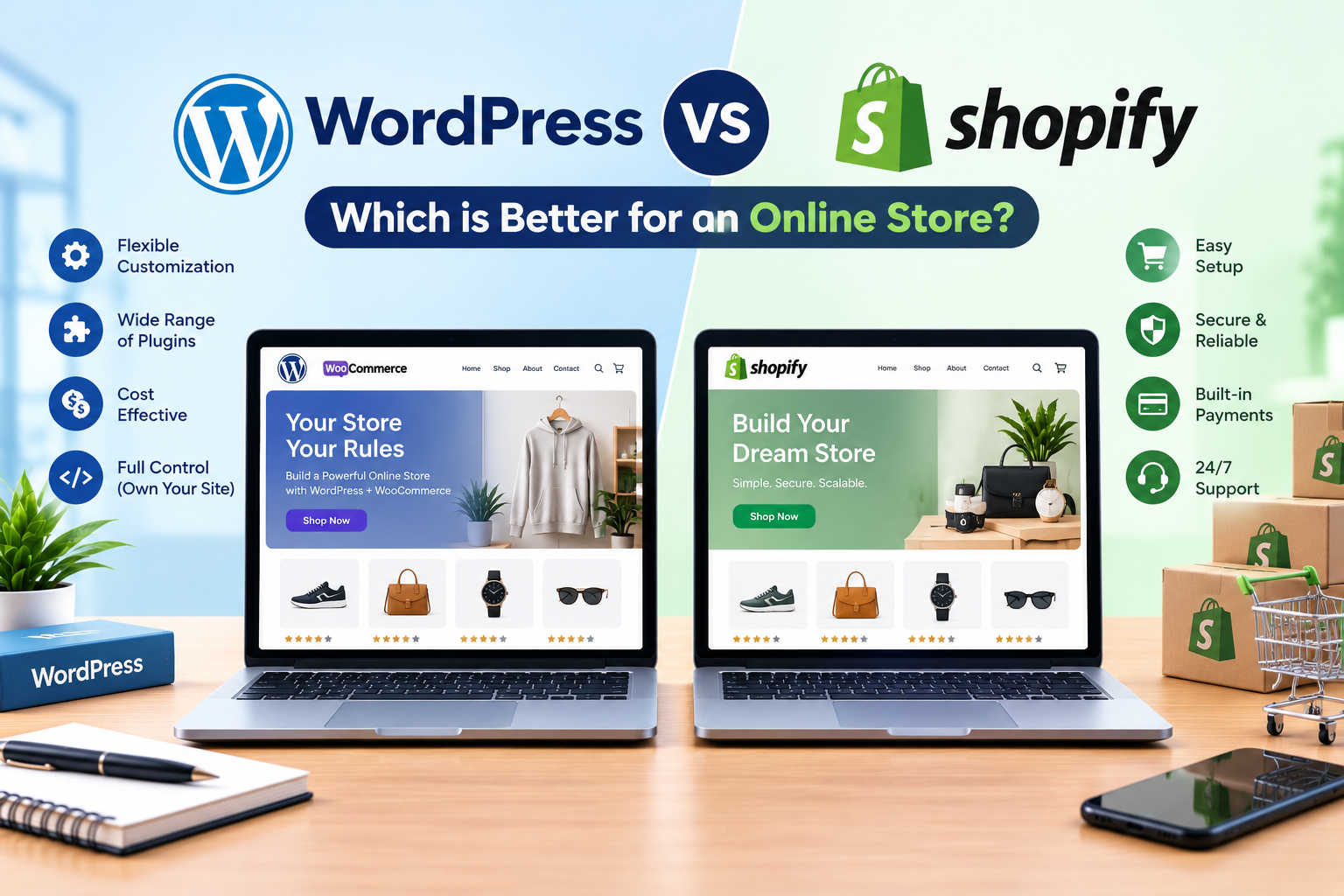
WordPress vs Shopify for an online store is a genuinely close call, unlike some platform comparisons. Shopify is purpose-built for e-commerce, with payment processing and store tools baked in. WordPress, paired with a plugin like WooCommerce and hosting such as Hostinger, offers a more flexible, generally lower-cost path to the same goal.
This guide compares the real costs and trade-offs specifically for selling online. Use it to see which fits your store’s size and plans for growth.
Disclosure: HostingPlanGuide earns a commission if you buy through Hostinger links, at no extra cost to you. We still cover Shopify’s strengths fairly, so you can decide with the full picture.
Quick Answer: WordPress or Shopify for an Online Store?
Shopify suits a store owner who wants e-commerce tools built in from day one and doesn’t mind paying a platform fee on top of card processing. WordPress with WooCommerce suits a store owner who wants lower platform costs and more control, in exchange for more setup and plugin management.
WordPress vs Shopify: Cost Comparison
| Platform | Starting Price | Payment Processing | Note |
|---|---|---|---|
| Shopify Basic | $39/mo, or $29/mo billed annually | 2.9% + 30¢ online with Shopify Payments; 2% extra fee with a third-party gateway | Includes hosting, checkout, and store tools |
| Shopify Grow | $105/mo, or $79/mo billed annually | 2.7% + 30¢; 1% extra fee with a third-party gateway | Lower card rates, more staff accounts |
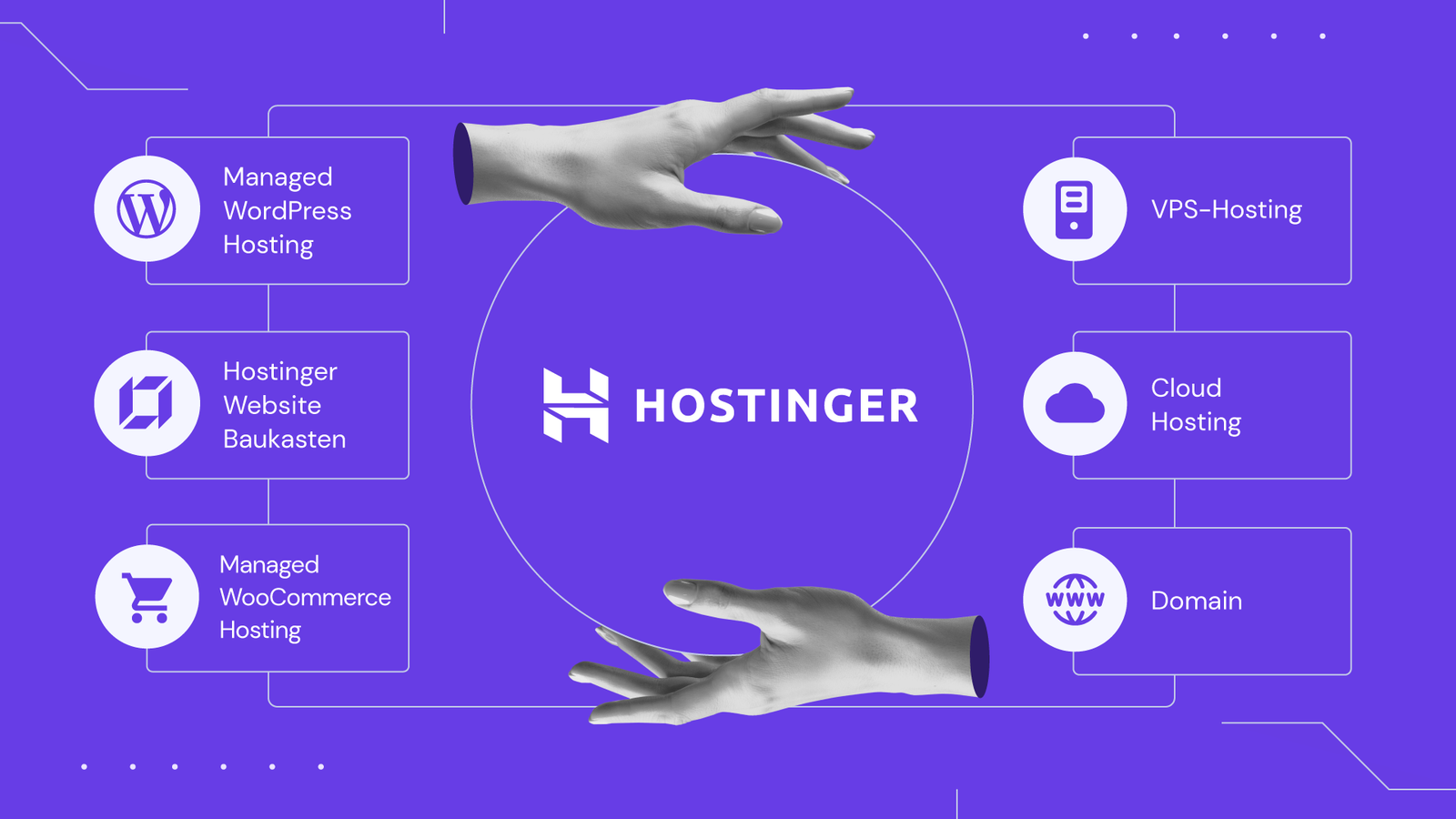
| WordPress + WooCommerce + Hostinger Premium | $2.99/mo, 48-mo term | Whatever your chosen payment processor charges; no platform fee on top | WordPress and WooCommerce are free; renews at $10.99/mo |
Shopify figures based on multiple 2026 pricing guides and consistent with each other; confirm current rates on Shopify’s own pricing page. Hostinger figures from its pricing page, October 2026, excluding VAT.

The Real Cost Gap Over Time
Shopify Basic on annual billing runs about $348 a year. Over four years, that’s roughly $1,392 in plan fees alone, before counting card processing or any paid apps.
Hostinger’s Premium plan, which can run WordPress and WooCommerce together, costs about $143.52 total across the same four years. That’s the platform fee difference; both still require paying your payment processor on actual sales, so this isn’t your full cost of doing business, just the hosting and platform layer.
What Shopify Does Well for a Store
- Built for e-commerce specifically. Checkout, inventory, shipping, and payment processing are designed to work together from day one.
- Minimal setup. You can have a functioning store live quickly, without assembling separate plugins for each feature.
- Point-of-sale integration. Shopify POS connects online and in-person sales in one system, useful if you also sell at a physical location.
- Large app ecosystem. Shopify’s app store covers most common store needs with reliable, tested integrations.
What WordPress Does Well for a Store
- Lower platform cost. WordPress and WooCommerce are both free; you pay only for hosting and any premium plugins you choose.
- No extra fee for third-party payment gateways. Unlike Shopify’s Basic and Grow tiers, WooCommerce doesn’t add its own surcharge for using a non-default payment processor.
- Deep content flexibility. WordPress’s blogging and content tools are more robust, useful if content marketing matters to your store.
- No platform lock-in. You own your site outright and can move hosts freely; your store isn’t tied to one company’s platform.
Where Shopify’s Costs Add Up
Shopify’s plan fee is only part of the picture. Card processing rates range from roughly 2.5% to 2.9% plus 30¢ per transaction depending on your plan, and using a payment gateway other than Shopify Payments adds an extra fee on top, from 0.6% to 2% depending on your tier.
Many stores also rely on paid apps for features WooCommerce often covers through free or low-cost plugins, which can add meaningfully to your monthly total as your store grows.
Where WordPress and WooCommerce Ask More of You
Setting up WooCommerce takes more initial configuration than Shopify’s guided setup. You’ll choose and configure plugins for shipping, tax, and payment processing individually, rather than getting them bundled from the start.
You’re also responsible for performance as your store scales; a high-traffic store may eventually need more robust hosting than a basic shared plan, where Shopify’s infrastructure scales more automatically behind the scenes.
Which Should You Choose for Your Store?
Choose Shopify If…
- You want the fastest path to a fully functioning store, with minimal setup.
- You also sell in person and want integrated point-of-sale.
- Your budget comfortably covers the plan fee and card processing together.
Choose WordPress and WooCommerce If…
- Lower platform cost matters most to your margins.
- You want to avoid extra fees for using your preferred payment gateway.
- Content marketing, like a blog, is a meaningful part of your strategy.
- You want full ownership and no platform lock-in.
For WordPress-ready hosting plans and pricing, see our guide to the best cheap hosting for a new website.

People Also Ask: WordPress vs Shopify for an Online Store
Is WordPress with WooCommerce cheaper than Shopify?
Usually yes, on the plan fee side, since WordPress and WooCommerce are free and budget hosting costs far less than Shopify’s plans. Both still involve payment processing fees, so compare your full expected costs, not just the platform fee.
Is Shopify easier to set up than WooCommerce for a store?
Generally yes. Shopify bundles checkout, shipping, and payment tools together in a guided setup, while WooCommerce requires configuring several plugins individually to reach similar functionality.
Does Shopify charge extra for using PayPal or Stripe instead of Shopify Payments?
Yes, on most plans. Shopify adds an extra transaction fee, ranging roughly from 0.6% to 2% depending on your plan, when you use a payment gateway other than Shopify Payments.
Can a WooCommerce store handle the same scale as Shopify?
It can, with the right hosting and configuration, though it typically requires more hands-on management as traffic and order volume grow. Shopify’s infrastructure scales more automatically, which is part of what its higher price covers.
Which is better for SEO and content marketing, WordPress or Shopify?
WordPress is generally considered stronger for content marketing, thanks to its mature blogging tools and SEO plugin ecosystem. Shopify has improved its content tools over time, but WordPress still tends to offer more depth here.
Can I move my store from Shopify to WordPress later?
It’s possible, but typically requires migrating your product catalog and rebuilding your store’s design and functionality in WooCommerce, since the two platforms don’t share a direct export format.
Final Verdict: WordPress vs Shopify for an Online Store
Shopify offers the fastest, most guided path to a functioning store, at a higher ongoing platform cost and potential extra fees for third-party payment gateways. WordPress with WooCommerce costs significantly less on the platform side and avoids those extra gateway fees, in exchange for more initial setup and ongoing management.
For a store owner focused on keeping platform costs low, WordPress and WooCommerce paired with budget hosting like Hostinger’s Premium plan is the more economical choice, while Shopify remains a strong option for those who value speed and built-in e-commerce tools above cost.