Best Hosting for Multiple Websites (Agency Use) in 2026
Finding the best hosting for multiple websites becomes a real business decision once you’re managing client sites instead of just your own. A host that works fine for one blog can fall apart under five or ten active sites. Worse, one client’s traffic spike or security issue shouldn’t be able to affect everyone else on the account.
Below, we compare hosts built to handle multiple websites reliably, whether you’re a freelancer juggling a handful of client sites or an agency running dozens. We look at site limits, performance under load, and account isolation, so a bad week for one client doesn’t become a bad week for all of them. You’ll also find a comparison table and answers to the questions agencies ask most.
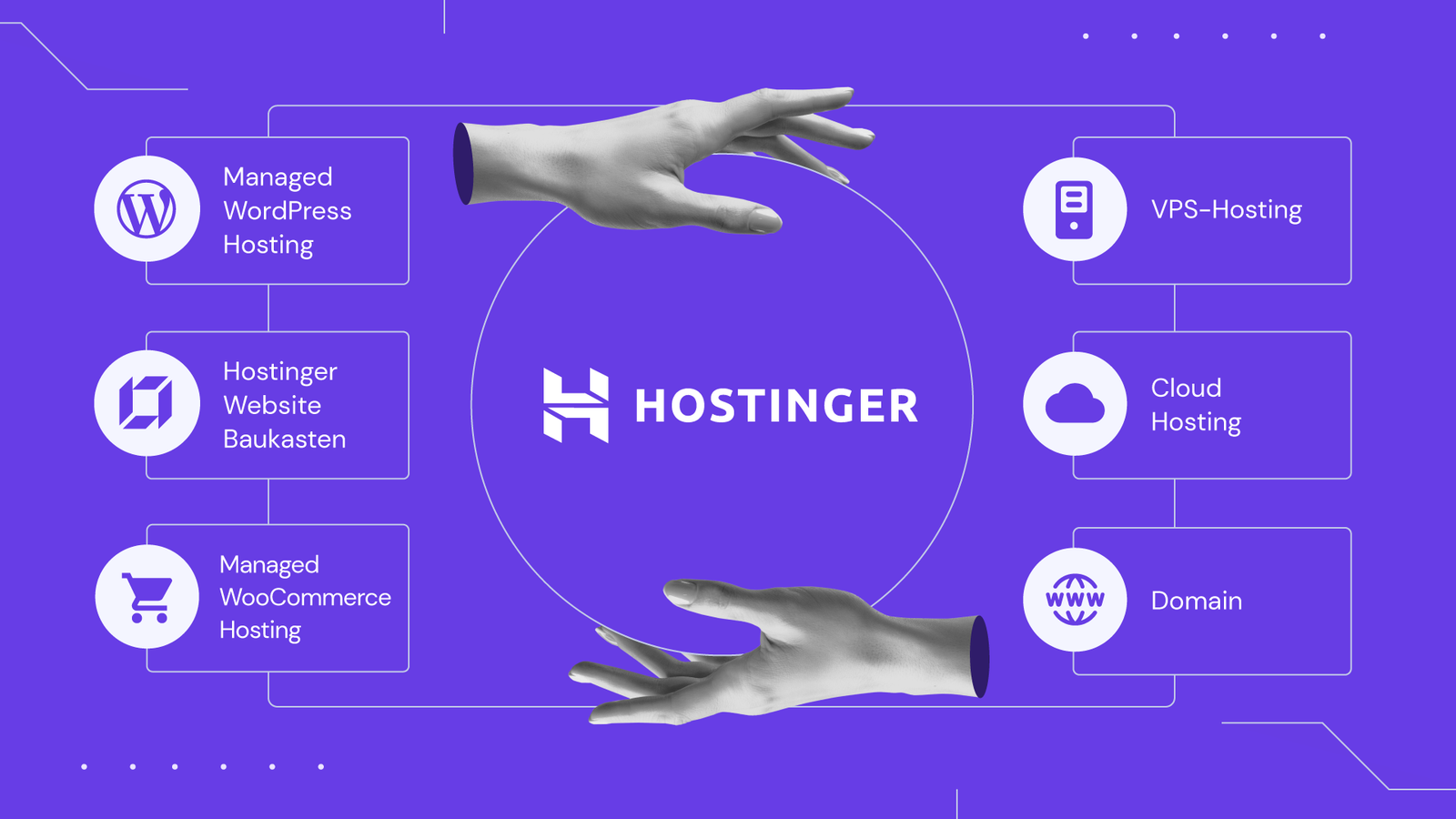
What to Look For When Hosting Multiple Client Sites
Running several websites under one account changes what actually matters in a hosting plan. A few factors stand out above the rest:
- Real site limits: “Unlimited websites” often comes with hidden storage or bandwidth caps, so check the fine print rather than the headline number.
- Account isolation: One compromised or overloaded site shouldn’t be able to affect your other clients. Look for hosts that isolate resources per site.
- Staging environments: The ability to test updates or redesigns before pushing them live protects you from breaking a client’s site in production.
- White-label or collaborator tools: If you’re billing clients directly, reseller or agency-specific plans let you manage accounts under your own brand.
- Consistent performance under load: Some hosts advertise generous site counts but slow down noticeably once several sites see traffic at once. Read past the marketing copy before committing.
Best Hosting for Multiple Websites: Comparison
| Provider | Starting Price* | Site Limit | Best For |
|---|---|---|---|
| Hostinger | $3.49/mo | Up to 50 sites (Business plan) | Best overall value |
| IONOS | $1.00/mo (intro) | Unlimited | Unlimited resources, reseller tools |
| SiteGround | $2.99/mo (base) | 1 to unlimited (by tier) | Staging + premium support |
| Cloudways | ~$11/mo | Per-app isolated hosting | Full resource isolation |
| InMotion Hosting | Varies by plan | 10–40 sites (by tier) | Smaller, defined client rosters |
*Promotional pricing on long-term plans; renewal rates are higher. Always confirm current pricing and site limits at checkout before purchasing.
Why Hostinger Is the Best Overall Pick for Managing Multiple Sites
Hostinger’s Business plan supports up to 50 websites with 50 GB of NVMe storage, and its LiteSpeed servers deliver strong shared hosting performance even with several active sites running at once. For freelancers or small agencies not yet ready for a full VPS setup, that’s a genuinely useful ceiling.
Once client demands grow, Hostinger also offers dedicated agency-focused VPS plans. These add features built specifically for multi-site management:
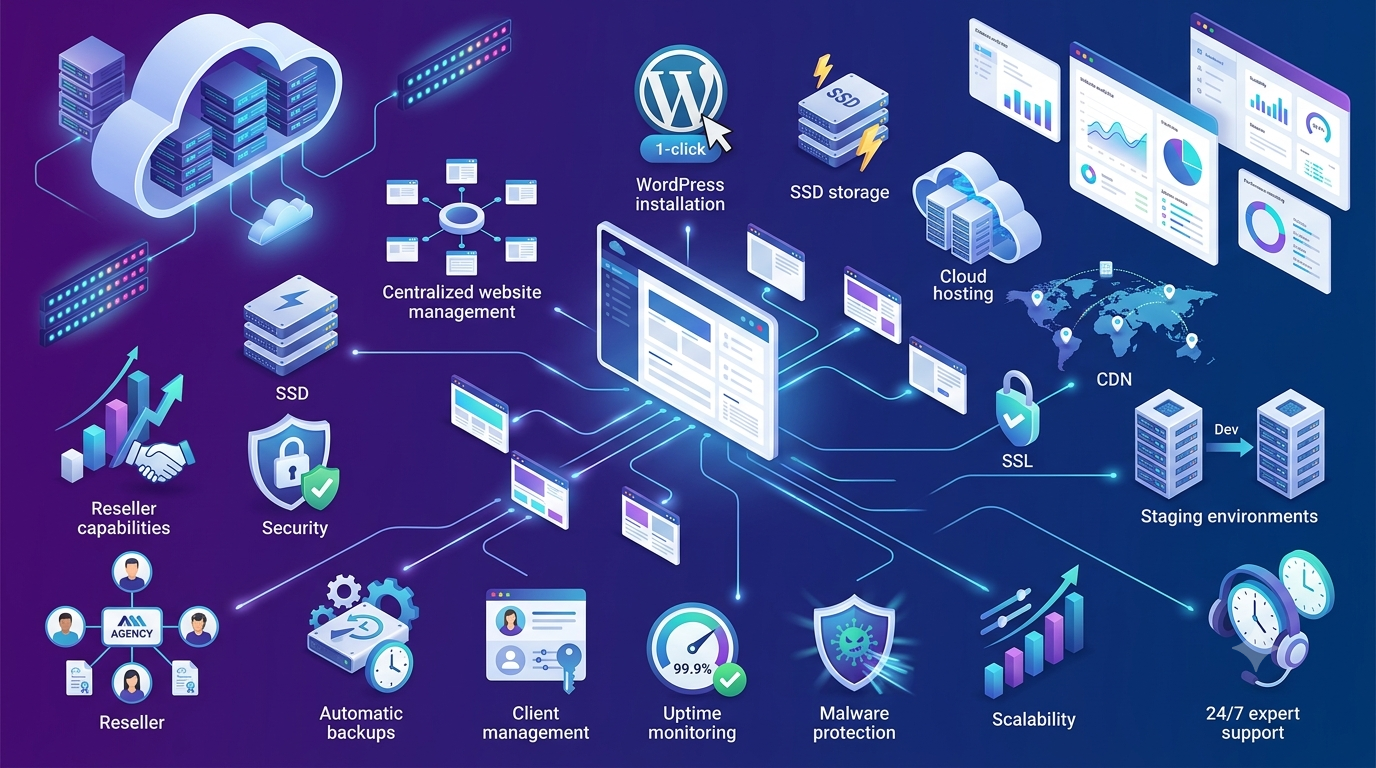
- Full website isolation, so client sites don’t share risk or resources with one another.
- Collaborator roles, letting you grant clients or team members limited access to just their own site.
- A built-in CDN for consistent global performance across every site you manage.
- Managed WordPress features, including the Elementor builder, for agencies building primarily on WordPress.
Because pricing stays competitive even at the agency tier, Hostinger works well whether you’re hosting five client sites or fifty.
Other Hosting Options Worth Considering
IONOS — Best for Unlimited Resources
IONOS stands out for genuinely unlimited websites and resources on its multi-domain plans, plus built-in reseller tools. It’s a strong option if you expect to scale your client roster significantly but aren’t sure exactly when.
SiteGround — Best for Staging and Support
SiteGround’s staging environments let you test changes before pushing them to a live client site, and its support team is consistently well reviewed. That combination matters when a client’s site can’t afford unexpected downtime.
Cloudways — Best for Full Resource Isolation
Cloudways hosts each site as its own isolated application rather than pooling resources together. As a result, one client’s traffic spike genuinely can’t slow down another’s site, which appeals to agencies prioritizing reliability above all else.
InMotion Hosting — Best for a Defined Client Roster
InMotion’s shared plans cap out between 10 and 40 sites depending on tier. For an agency with a stable, well-defined list of clients, that ceiling is rarely a real limitation, and the trade-off often comes with strong reliability.

How to Choose Based on Your Client Load
- A handful of client sites: Hostinger’s Business plan or SiteGround’s base tier comfortably covers small portfolios without overspending.
- Growing agency, unsure of future scale: IONOS’s unlimited resources give you room to grow without recalculating your hosting needs every few months.
- Reliability is non-negotiable: Cloudways’ isolated architecture protects you from one client’s problem becoming everyone’s problem.
- Billing clients directly: Look for a reseller or white-label plan so you can manage accounts under your own brand instead of the host’s.
People Also Ask
What is the best hosting for multiple websites?
Hostinger is generally the best overall choice for managing multiple websites in 2026, supporting up to 50 sites on its Business plan with strong shared hosting performance. IONOS is a solid alternative if you want genuinely unlimited resources as you scale.
Can I host client websites under my own hosting account?
Yes, but it’s worth choosing a host with good resource allocation, and possibly a reseller or agency-specific plan, so client billing and management stay organized and professional.
How many websites is too many for shared hosting?
It depends more on traffic and site size than raw count. Several low-traffic blogs may run fine together, while even a few WooCommerce stores could strain shared resources depending on their traffic levels.
Do I need VPS hosting to manage multiple websites?
Not always. Shared hosting works fine for small to medium portfolios. Once your sites outgrow shared resources, upgrading to VPS or cloud hosting gives you more consistent performance and better isolation between sites.
What’s the difference between multi-site hosting and reseller hosting?
Multi-site hosting typically gives you one account managing several websites yourself. Reseller hosting gives you a master account that lets you create and manage separate accounts for each client, usually under your own brand.
Final Verdict
For most freelancers and small agencies, Hostinger offers the best combination of price, performance, and site limits in 2026. Its Business plan comfortably covers a growing client list, and its agency-focused VPS plans scale cleanly when you outgrow shared hosting. If you need truly unlimited resources or full account isolation instead, IONOS or Cloudways are worth the higher investment. Whichever you choose, check the real storage and bandwidth limits behind any “unlimited” claim before you commit a full client roster to one host.