Best Hosting for a Personal Blog in 2026 (Compared & Ranked)
Finding the best hosting for a personal blog shouldn’t require a computer science degree or a business-sized budget. Most personal bloggers just want a fast, reliable place to publish that doesn’t demand constant maintenance — and won’t quietly double in price the moment the first-year discount runs out.
We compared the hosts personal bloggers turn to most in 2026 on price, ease of use, speed, and long-term value, so you can pick one and start writing instead of researching for another week. Below is a full comparison table, a closer look at the top picks, and answers to the questions bloggers search for most.

What Should a Personal Blogger Look For in a Host?
A blog doesn’t need the same firepower as an online store, but a few things still matter a lot once you’re actually publishing regularly:
- Simple setup: One-click WordPress installs and a beginner-friendly dashboard save hours, especially if this is your first site.
- Honest pricing: Many hosts advertise a rock-bottom first-term price that jumps sharply at renewal — check the renewal rate before you commit.
- Speed: Google uses Core Web Vitals as a ranking signal, so a host running on fast storage and caching (NVMe, LiteSpeed) helps your posts get found.
- Free SSL and backups: These should come standard in 2026 — treat any host that charges extra for either as a red flag.
- Room to grow: If your blog takes off, you’ll want an easy upgrade path to more resources without a full migration.
Best Hosting for a Personal Blog: Side-by-Side Comparison
| Provider | Starting Price* | Setup | Backups | Best For |
|---|---|---|---|---|
| Hostinger | $2.69/mo | 1-click WordPress | Weekly (daily on higher tiers) | Best overall value |
| WordPress.com | $2.75/mo | Fully managed | Automatic | Zero-maintenance beginners |
| IONOS | $1.00/mo (intro) | 1-click WordPress | Weekly | Tightest starting budgets |
| Bluehost | $2.95/mo | 1-click WordPress | Weekly | WordPress.org’s recommended host |
| GoDaddy | $5.99/mo | AI-assisted builder | Automatic | Absolute beginners |
*Promotional pricing on long-term plans; renewal rates are higher. Always confirm current pricing at checkout before purchasing.
Why Hostinger Is the Best Overall Hosting for a Personal Blog
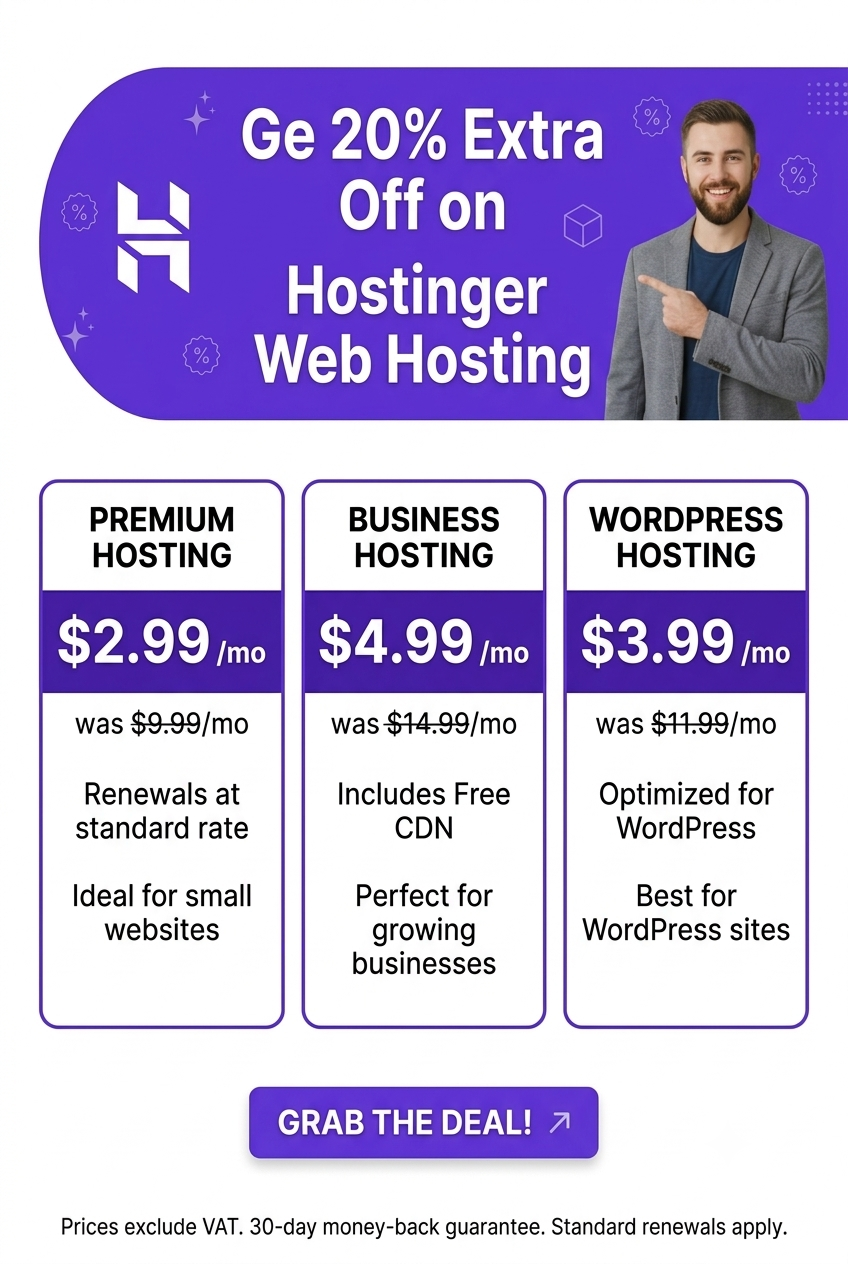
Hostinger is a repeat pick among bloggers in 2026, and for good reason: its Premium plan covers everything a new blog needs at one of the lowest entry prices in the market. It’s built around one-click WordPress installs, so you can go from signing up to publishing your first post in under an hour, even with no technical background.
A few features that make it a particularly good fit for blogging specifically:
- A built-in AI content and page-builder tool that helps generate layouts, headings, and images if you’re starting from a blank page.
- Over 300 templates designed for different blog styles, from personal journals to niche review sites.
- A free SSL certificate and email marketing tool bundled in, useful once you start building a subscriber list.
- An easy upgrade path to Business or Cloud plans if your blog outgrows shared hosting.
As with most budget hosts, the lowest price applies to the first billing term. Choosing a longer term upfront locks in more of the savings before the renewal rate kicks in.

Other Hosting Options Worth Considering
WordPress.com — Best for Zero Maintenance
WordPress.com is a fully managed option, meaning updates, security, and backups are all handled for you. It’s a strong fit if you’d rather focus entirely on writing and never touch a server setting.
IONOS — Best for the Tightest Budget
IONOS offers one of the lowest introductory rates around, which makes it a reasonable choice if you’re testing out blogging before committing to a bigger spend.
Bluehost — Best for WordPress Loyalists
Bluehost is officially recommended by WordPress.org, and its WordPress-specific plans include optimization features tailored for first-time bloggers.
GoDaddy — Best for Absolute Beginners
GoDaddy’s Airo builder uses AI to help design your blog if you’d rather not make layout decisions yourself, and it automatically handles WordPress updates and daily malware scans in the background.
How to Choose the Right Plan for Your Blog
- Just starting out: A basic shared hosting plan (Hostinger Premium or IONOS entry tier) is more than enough for your first few months of posts.
- Growing an audience: Once you’re publishing weekly and building an email list, step up to a plan with daily backups and better caching, like Hostinger Business.
- Going full-time: If your blog becomes a serious income source, a cloud or managed WordPress plan gives you the headroom and support level to match.
People Also Ask
What is the best hosting for a personal blog?
Hostinger is generally considered the best hosting for a personal blog in 2026, thanks to its low starting price, one-click WordPress setup, and built-in blogging tools. WordPress.com is a strong alternative if you want a fully managed, zero-maintenance experience.
How much does it cost to host a personal blog?
Most personal blogs can be hosted for $1 to $5 per month on a long-term shared hosting plan. Fully managed options like WordPress.com typically start slightly higher but include more done-for-you maintenance.
Is free blog hosting worth it?
Free hosting plans usually come with a subdomain instead of your own domain name, limited storage, and ads you can’t control. For anyone serious about growing a blog, a low-cost paid plan offers far more flexibility and a more professional look.
Do I need WordPress for a personal blog?
No, but it’s the most widely used option for a reason: it’s flexible, well documented, and supported by nearly every hosting provider with one-click installs and thousands of themes and plugins.
Can I upgrade my hosting plan later as my blog grows?
Yes. Most hosts, including Hostinger, let you upgrade from a shared plan to a cloud or VPS plan without switching providers, so you don’t have to migrate your blog when traffic increases.
Final Verdict
For most personal bloggers, Hostinger is the best starting point in 2026 — it’s affordable, fast, and built around the WordPress workflow most bloggers already know. If you’d rather hand off every technical detail, WordPress.com’s managed plans are worth the small premium. Whatever you pick, choose a longer billing term to lock in savings, and double-check the renewal price before you check out.
