Best Hosting for a Landing Page Website in 2026
A landing page has one job: convert a visitor who just clicked an ad or a link. That single-purpose focus makes the best hosting for a landing page website a slightly different decision than hosting for a regular site. Speed matters more here than almost anywhere else, since a slow page doesn’t just lose visitors, it can directly cost you money if you’re running paid traffic to it.
Below, we cover why landing pages have unique hosting needs, compare the two main approaches, dedicated landing page builders versus self-hosted WordPress, and help you figure out which fits your campaign. If you’re building a full website rather than a single campaign page, our broader guide on the best hosting for a new website covers that instead. You’ll also find answers to the questions marketers ask most.
Why Landing Pages Have Different Hosting Priorities
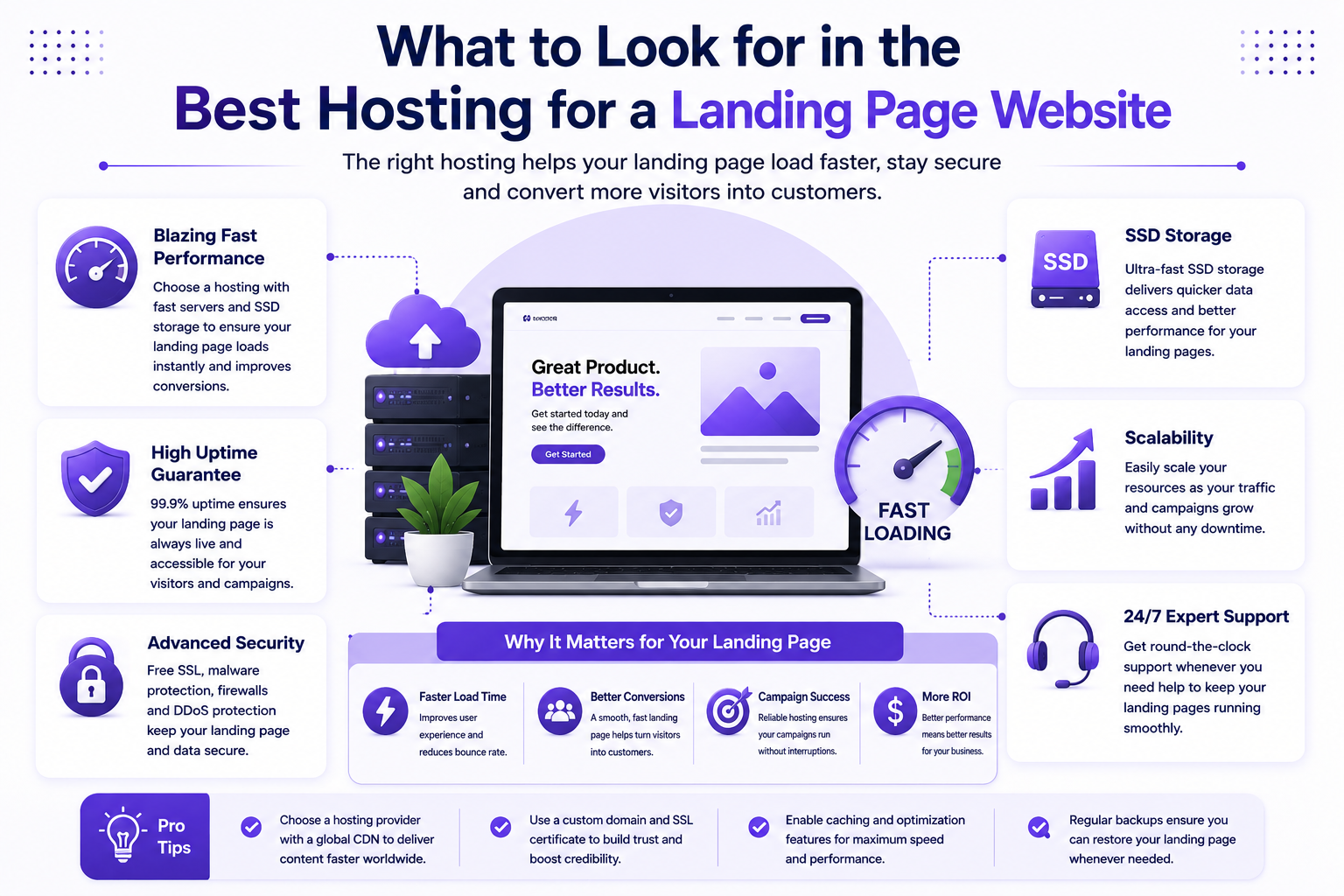
A few things set landing pages apart from a typical website when it comes to hosting:
- Ad Quality Score is tied directly to speed: Google Ads factors landing page experience into your Quality Score, including load speed and mobile-friendliness, which affects your cost per click. A slow host doesn’t just cost conversions, it can raise your ad spend.
- Traffic arrives in sudden bursts, not steady growth: A campaign launch or a social post going live can send a spike of visitors all at once, unlike the gradual traffic curve of an organic content site.
- Mobile speed matters even more than usual: A large share of paid social and search traffic arrives on mobile, so mobile load time deserves priority over desktop performance.
- The page itself is usually simple: Most landing pages are a single page with minimal navigation, which means raw hosting power matters less than consistent speed and uptime during a campaign window.
Two Ways to Host a Landing Page
Most landing pages get built one of two ways, and each comes with a different hosting relationship:
- Dedicated landing page builders like Unbounce, Leadpages, and Instapage bundle hosting directly into the platform. You get built-in A/B testing, conversion-focused templates, and speed optimization handled for you, typically starting around $30–$75/month.
- Self-hosted WordPress with a page builder like Elementor gives you more design flexibility and long-term cost savings, but the hosting quality is entirely on you to choose and configure well.
Dedicated builders make sense if you’re running frequent campaigns and want built-in split testing without technical setup. Self-hosted WordPress makes more sense if you’re already running a WordPress site and want to add landing pages to it, or if you’re building many pages and the per-page cost of a dedicated builder adds up quickly.
Comparison: Self-Hosted vs Dedicated Builders
| Option | Typical Price | Best For |
|---|---|---|
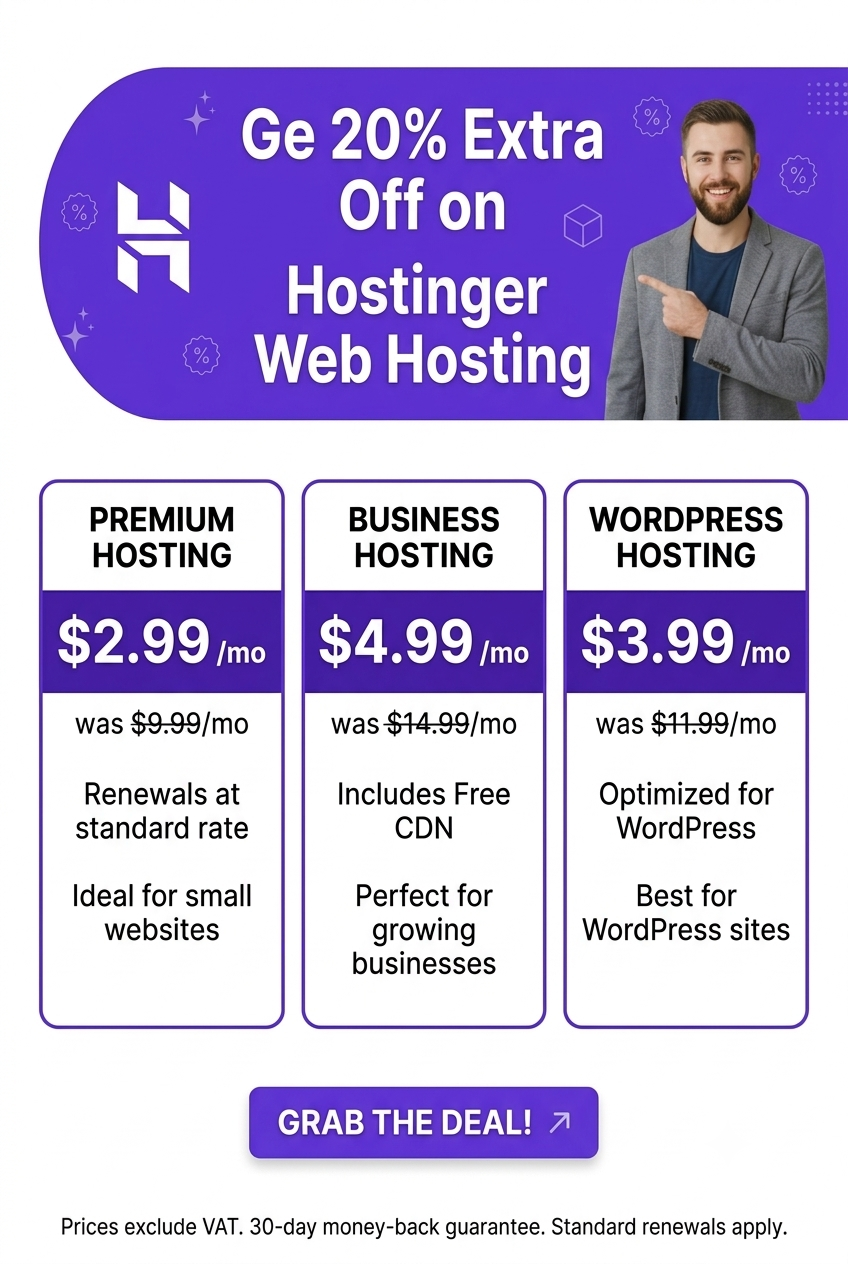
| Hostinger + WordPress/Elementor | $2.99–$5/mo | Budget-conscious, multiple pages |
| Unbounce | $74+/mo | Built-in A/B testing, agencies |
| Leadpages | $37+/mo | Lead generation, quick setup |
| Instapage | $79+/mo | Beginner-friendly, teams |
| Kinsta (managed WordPress) | $35+/mo | High-traffic campaigns, agencies |
Figures reflect typical 2026 pricing and vary by plan and feature tier. Always confirm current pricing at checkout.
Why Hostinger Works Well for Self-Hosted Landing Pages
If you’re going the self-hosted route, several independent 2026 hosting tests specifically call out Hostinger’s LiteSpeed servers paired with LSCache as producing strong landing page speeds at a fraction of the cost of dedicated builders. Combined with a page builder like Elementor, you get a fast, conversion-ready page without paying a monthly platform fee on top of hosting.
A few specifics that matter for a landing page use case:
- A free CDN included, helping keep load times consistent regardless of where your ad traffic is coming from geographically.
- Free SSL, which matters both for visitor trust and because HTTPS is a factor in landing page experience scoring.
- An easy upgrade path to Business or Cloud hosting if a campaign is scaling up and you know a traffic spike is coming.
- Support for popular caching and page-builder plugins, so you’re not fighting your hosting to get the speed a landing page needs.
Where a dedicated builder still wins: built-in A/B testing and conversion analytics that would otherwise require separate plugins or tools on a self-hosted setup. If split testing is central to your campaign strategy, that convenience may be worth the higher monthly cost.
People Also Ask
What is the best hosting for a landing page website?
For self-hosted landing pages, Hostinger’s LiteSpeed-based hosting paired with a builder like Elementor is a commonly recommended budget option in 2026. If built-in A/B testing matters more than cost, dedicated platforms like Unbounce or Leadpages are worth the higher monthly price.
Does landing page speed actually affect my Google Ads cost?
Yes. Google Ads Quality Score factors in landing page experience, including load speed and mobile-friendliness, and a higher Quality Score typically lowers your cost per click. Slow hosting can directly increase what you pay for the same ad placement.
Should I use a dedicated landing page builder or WordPress?
Dedicated builders offer built-in A/B testing and faster setup but cost more per month. WordPress with a page builder like Elementor is cheaper long-term and more flexible, but requires more setup work to match the same speed and testing capabilities.
Can shared hosting handle a traffic spike from a paid campaign?
It depends on the spike size and the host. A quality shared hosting plan with caching and a CDN can handle moderate bursts fine, but if you’re expecting a large or unpredictable spike, upgrading temporarily to cloud hosting during the campaign window is safer.
Do landing pages need to be indexed by search engines?
Not usually. Most landing pages are built for a specific campaign and set to no-index, since they’re not meant to rank organically. Some marketers do choose to allow indexing if they want the page to also capture organic search traffic.
Final Takeaway
The best hosting for a landing page comes down to how you’re building it. For a self-hosted WordPress landing page, Hostinger’s LiteSpeed servers deliver strong speed at a fraction of what a dedicated builder costs monthly, which matters directly for both conversions and your Google Ads Quality Score. If built-in A/B testing and zero setup time matter more to your campaign strategy, a dedicated platform like Unbounce or Leadpages is worth the added cost. Either way, prioritize mobile load speed above almost everything else, since that’s the detail most likely to affect both your conversions and your ad spend.