Best Hosting for Online Stores & WooCommerce in 2026
Picking the best hosting for online stores and WooCommerce matters more than for almost any other kind of website, because a slow checkout page costs you sales in real time. Product pages, carts, and checkouts can’t be cached the way a normal blog post can — every visitor triggers fresh database queries, and a host built for basic WordPress can buckle once real shopping traffic hits it.
We compared the hosts best suited to running a WooCommerce store in 2026 on speed, uptime, security, and price, so you can choose one that keeps your checkout fast even during a sale. Below is a comparison table, a closer look at the top picks, and answers to the most common WooCommerce hosting questions.

Why WooCommerce Needs More Than Basic WordPress Hosting
WooCommerce is a resource-hungry application by nature. Every product page, cart update, and checkout step involves live database queries, PHP execution, and often a payment gateway API call — none of which can be cached the way a static blog post can. A host that handles a simple blog just fine can slow to a crawl under real shopping traffic. A one-second delay at checkout has been shown to cost around 7% in lost conversions, which makes hosting one of the highest-leverage decisions a store owner makes.
When comparing hosts for an online store, prioritize:
- Checkout speed: Look for LiteSpeed or NVMe-backed servers built to handle uncacheable, dynamic pages.
- Uptime guarantee: Aim for 99.9% or better — every minute of downtime during a sale is lost revenue.
- Security: WooCommerce stores handle customer payment data, so look for a host with built-in firewalls, malware scanning, and free SSL.
- Traffic spike handling: Confirm the plan can absorb a surge during flash sales or holiday promotions without extra fees or slowdowns.
- Migration support: A host that offers free store migration saves real time if you’re moving from an existing provider.
Best WooCommerce Hosting: Side-by-Side Comparison
| Provider | Starting Price* | Server Tech | Uptime Guarantee | Best For |
|---|---|---|---|---|
| Hostinger | $3.49/mo | LiteSpeed + NVMe | 99.9% | Best value for new stores |
| SiteGround | $4.99/mo | Google Cloud | 99.9% | Beginner-friendly setup |
| A2 Hosting | $3.99/mo | LiteSpeed + NVMe | 99.9% | Speed-focused sellers |
| Cloudways | ~$11/mo | Managed cloud | 99.9% | Growing/established stores |
| MassiveGRID | Custom pricing | HA cPanel + Ceph | 99.99%+ | Zero-downtime flash sales |
*Promotional pricing on long-term plans; renewal rates are higher. Always confirm current pricing at checkout before purchasing.
Why Hostinger Is the Best WooCommerce Hosting for Most Stores
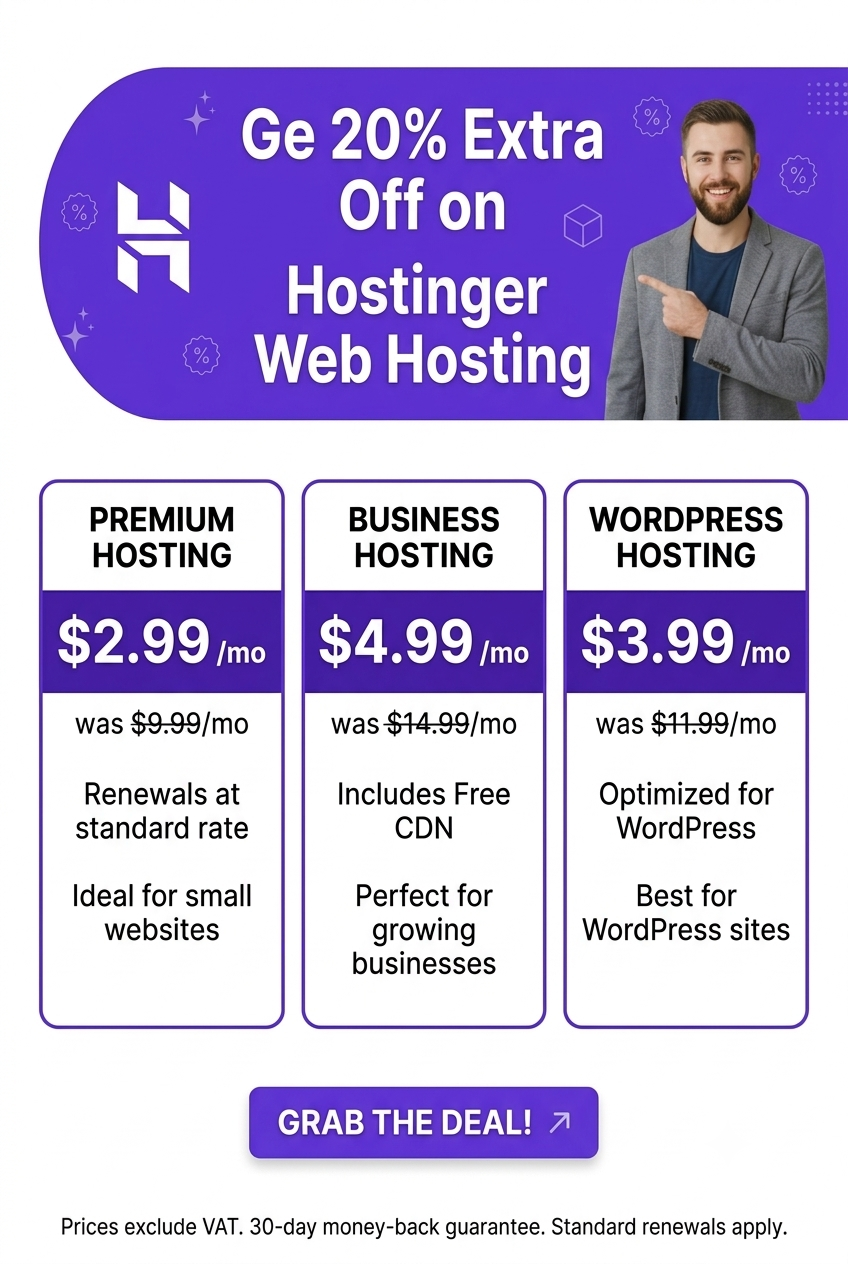
Hostinger’s WooCommerce-ready plans combine LiteSpeed servers and NVMe storage with a price that undercuts most dedicated eCommerce hosts. Plans start around $3.49/month on a two-year term and include a free domain, professional email, unlimited SSL certificates, and a built-in CDN — all things you’d otherwise pay extra for elsewhere.
For a store owner specifically, the standout features are:
- A one-click WooCommerce setup that gets a working store live in minutes, not hours.
- A WordPress AI assistant that can help generate product descriptions and page content.
- Free automated migration if you’re moving an existing store from another host.
- 24/7 live chat support, which matters when a checkout issue can’t wait until business hours.
The trade-off is the same one that applies across budget hosting generally: the promotional rate is tied to a longer commitment, and renewal pricing runs meaningfully higher — worth planning for as your store scales.

Other WooCommerce Hosting Options Worth Considering
SiteGround — Best for Beginners
SiteGround runs on Google Cloud infrastructure and includes WooCommerce-ready setup tools plus migration helpers, making it a smooth pick for a first-time store owner who wants guidance along the way.
A2 Hosting — Best for Raw Speed
A2 Hosting’s Turbo plans pair LiteSpeed with NVMe storage specifically tuned for performance, making it a strong option if checkout speed is your top priority and you’re comfortable with a slightly more technical setup.
Cloudways — Best for Growing Stores
Cloudways offers managed cloud hosting with more flexibility to scale server resources as your traffic grows, making it a natural next step once a store outgrows shared hosting.
MassiveGRID — Best for Zero-Downtime Sales Events
MassiveGRID runs on high-availability infrastructure with automatic failover and replicated storage, an architecture aimed at stores where any checkout downtime during a flash sale is simply not acceptable.

How to Choose the Right Plan for Your Store
- Launching your first store: Start with a Hostinger Business plan. Get live, learn what your store actually needs, and upgrade once you outgrow it.
- Doing consistent revenue: Move to a managed cloud host like Cloudways for more control over resources as traffic grows.
- Running frequent flash sales: Consider a high-availability host like MassiveGRID, where downtime during a traffic spike isn’t an option.
People Also Ask
What is the best hosting for a WooCommerce store?
Hostinger is generally the best hosting for WooCommerce stores in 2026, combining LiteSpeed and NVMe performance with WooCommerce-ready setup tools at a low starting price. SiteGround is a strong alternative for beginners who want more guided setup support.
Do I need special hosting for WooCommerce, or is regular WordPress hosting enough?
Regular WordPress hosting can technically run WooCommerce, but it’s often not built for the checkout and cart pages that can’t be cached. Hosting optimized specifically for WooCommerce handles that dynamic load far more reliably as your store grows.
How much does WooCommerce hosting cost?
WooCommerce-ready shared hosting typically starts between $3 and $5 per month on a long-term plan. Stores with consistent traffic often move to managed cloud hosting, which generally runs $10 to $30 per month depending on resources.
Can slow hosting really hurt my store’s sales?
Yes. A one-second delay at checkout has been linked to roughly a 7% drop in conversions, and slow product pages tend to increase cart abandonment. Upgrading hosting alone has been shown to meaningfully cut both load times and abandonment rates.
When should I upgrade from shared hosting to a managed cloud plan?
Once your store has steady daily traffic, runs regular promotions, or processes a meaningful volume of orders, a managed cloud host gives you more consistent performance during peak load than shared hosting can reliably deliver.
Final Verdict
For most online stores, Hostinger is the best WooCommerce hosting in 2026 — it pairs LiteSpeed and NVMe performance with a WooCommerce-ready setup at a genuinely low starting price. If you’re scaling past a shared hosting plan or run frequent high-traffic sales, Cloudways or a high-availability host like MassiveGRID are worth the higher investment. Whatever you choose, confirm the renewal price before checkout, since long-term promotional rates step up once the first term ends.